Almax Auto
In the fast-evolving world of automotive technology, understanding the latest Modern Infotainment System Trends is crucial. According to Dr. Emily Chen, an expert in automotive tech, “Infotainment systems are now more than just entertainment; they are integral to the driving experience.” This statement highlights how these systems have transformed car interiors into engaging environments that enhance connectivity and usability.
Modern infotainment systems reflect the changing needs of consumers. They prioritize user experience, seamless integration, and advanced functionalities. Features such as voice recognition and smartphone connectivity have become standard. However, challenges remain in ensuring these innovations are intuitive and reliable. As automakers strive to incorporate cutting-edge technologies, they must also address potential security risks.
While these trends offer exciting possibilities, they also present areas for improvement. For instance, some drivers find new systems overwhelming or distracting. Manufacturers must find the balance between technological advancement and user-friendly designs. Engaging with user feedback can help refine these systems. In the current landscape, awareness of Modern Infotainment System Trends can lead to better choices for both consumers and manufacturers alike.
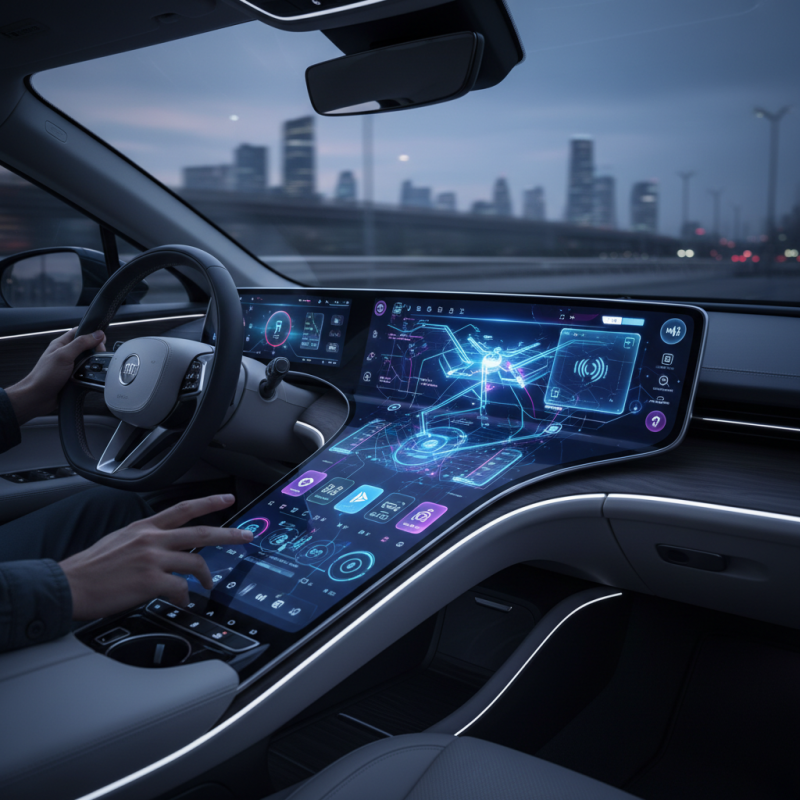
The emergence of AI-powered personalization in infotainment systems is reshaping the driving experience. According to a recent report by MarketsandMarkets, the global automotive AI market is projected to reach $19.3 billion by 2027. This rapid growth is driven by the increasing demand for customized experiences in vehicles. AI algorithms analyze user preferences, adjusting features like music, navigation, and climate control in real time. This personalization enhances convenience and makes driving more enjoyable.
User data plays a crucial role in this transformation. A study from Deloitte indicates that 54% of consumers prefer vehicles that offer a personalized experience. AI-driven systems can learn from user interactions, evolving to meet individual needs over time. However, this raises privacy concerns. The reliance on data creates questions about how securely this information is stored and managed. Consumers need assurances that their data is used responsibly and ethically.
Moreover, not all systems achieve the same level of personalization. Some infotainment systems may struggle with user interface design, leading to confusion. Users expect intuitive features that anticipate their needs. Thus, while AI-powered personalization shows great promise, the implementation must be carefully considered. Continuous feedback from users is essential to refine these systems further and prioritize user satisfaction.
The integration of voice recognition technology into modern infotainment systems has transformed the user experience. This technology allows drivers to control features hands-free. It provides convenience by minimizing distractions while driving. Voice commands can adjust navigation settings, change music tracks, or make phone calls.
Users appreciate the intuitive nature of voice interfaces. However, this technology does have flaws. Sometimes, the system struggles to understand accents or background noise. This can lead to frustration for users, as voice recognition is not always flawless. Moreover, some functions might not be fully compatible with voice commands, limiting user accessibility. The challenge lies in making these systems more adaptable to diverse environments and user needs.
Despite these challenges, enhanced voice recognition remains a key trend in infotainment systems. As technology evolves, improvements in accuracy and user interface will likely emerge. The potential for seamless interaction is vast, but there's still room for growth. Developers must focus on refining these systems to elevate the overall user experience.
| Trend | Description | Benefits | Key Features |
|---|---|---|---|
| Voice Recognition Technology | Integration of AI voice commands for navigation, calls, and media control. | Hands-free operation, safer driving experience, enhanced accessibility. | Natural language processing, responsive interfaces, command customization. |
| Personalization | Customized user profiles based on preferences and habits. | Improved user experience, tailored content, easier access to frequently used features. | User profiles, AI recommendations, adaptive learning. |
| Connectivity Features | Integration of smartphones and cloud services for seamless access. | Access to apps and devices, enhanced navigation, real-time updates. | Bluetooth, Wi-Fi hotspot, app integration. |
| Augmented Reality (AR) | Overlay of digital information onto the real-world view for navigation. | Enhanced navigation experience, interactive environment awareness. | Real-time mapping, obstacle detection, visual cues. |
| Advanced Driver Assistance Systems (ADAS) | Smart features that support driving safety and efficiency. | Increased safety, reduced driver fatigue, accident prevention. | Adaptive cruise control, lane-keeping assist, collision warning. |
In today's automotive landscape, connectivity plays a crucial role in infotainment systems. Smart device integration allows drivers to access vital information seamlessly. Many vehicles now support features like Apple CarPlay and Android Auto. This makes it easy to sync smartphones with the car’s system. Drivers can navigate, play music, and send messages hands-free. This connectivity enhances the driving experience significantly.
However, the reliance on smart devices raises questions. Some users experience connectivity issues due to poor network signals or compatibility problems. These challenges can frustrate drivers. It’s important for manufacturers to prioritize user interface design as well. Simplifying controls can reduce distraction and improve safety. In this evolving market, effective integration is key to ensuring a reliable and enjoyable user experience.
Moreover, privacy concerns persist as vehicles collect user data. Drivers should be aware of how their information is used. Transparency from manufacturers about data usage is essential. While integration offers convenience, the potential for misuse cannot be ignored. Navigating these complexities will take time and careful thought. The balance between convenience and security remains a pressing topic.
The integration of gesture control in modern infotainment systems marks a significant trend in user interaction. Recent studies show that nearly 70% of drivers prefer touchless interfaces for their convenience and safety. Gesture control allows users to operate various functions with simple hand movements, minimizing distractions while driving. As vehicle technology evolves, intuitive interaction is becoming the norm rather than an exception.
However, the reliability of these features can sometimes fall short. Undesired gestures or misinterpretation may hinder user experience. A report from a leading automotive research firm highlights that 30% of users experienced frustration with gesture controls, reflecting an area ripe for improvement. Utilizing ultrasonic sensors and advanced algorithms could enhance gesture recognition accuracy, leading to a more seamless interface.
Tips for better engagement with gesture control include practicing specific gestures in a stationary vehicle before driving. This can reduce errors and build confidence. Also, ensure that the system's sensors are clean and unobstructed, which improves recognition rates. As more drivers integrate these systems, continuous feedback can push developers toward more user-friendly solutions.
In today's automotive landscape, real-time data and navigation features are evolving rapidly. These systems enhance safety and efficiency, transforming the driving experience. Drivers now demand a more interactive and responsive interface. Advanced infotainment systems provide detailed traffic updates, weather forecasts, and even suggest alternative routes based on real-time conditions. This allows drivers to make informed decisions on the road, reducing stress and travel time.
Voice-activated commands are becoming standard in many modern vehicles. While convenient, they can also lead to distractions if not designed well. Drivers should remain aware of their surroundings, even when using these systems. Integration of social media and streaming services can also complicate navigation tasks. Knowing when to focus on driving is essential. Balancing technology and safe driving practices remains a challenge that many will need to navigate.
Moreover, user privacy concerns are rising as more data is collected. Navigational data not only helps in driving but also in personalizing the driving experience. Understanding how this data is used is crucial for users. Transparency from service providers is needed to foster trust. Drivers must be educated on potential risks, enhancing their awareness while benefiting from innovative technology.
I-powered personalization in infotainment systems?
User data allows AI systems to learn and evolve, creating a more customized experience over time.
Yes, collecting user data raises concerns about how securely it is stored and managed.
Consumers prefer intuitive interfaces that anticipate their needs, leading to confusion when not designed well.
They provide updates on traffic and weather, helping drivers make informed decisions and reducing travel stress.
They offer convenience but may lead to distractions, requiring drivers to stay aware of their surroundings.
It complicates tasks, making it essential for drivers to focus on driving instead of being distracted.
Users must navigate the need for tech while ensuring they prioritize safe driving practices.
Transparency from providers builds trust and helps users understand the risks associated with data collection.
Feedback helps refine AI-driven systems, ensuring they meet user satisfaction and expectations effectively.
The landscape of modern infotainment systems is rapidly evolving, with several key trends shaping user experience and interaction. One of the primary trends is the emergence of AI-powered personalization, allowing systems to tailor content and recommendations based on individual preferences. Additionally, the integration of voice recognition technology significantly enhances user convenience, enabling hands-free operation for safer driving experiences.
Connectivity plays a crucial role as smart device integration becomes standard, allowing seamless interaction between vehicles and personal devices. Moreover, advancements in gesture control features provide users with intuitive ways to navigate their infotainment systems without physical contact. Lastly, the incorporation of real-time data and navigation updates is transforming how drivers access information, making journeys more efficient. These modern infotainment system trends collectively aim to augment user interaction and safety on the road.
