 Almax Auto
Almax Auto
Almax Auto
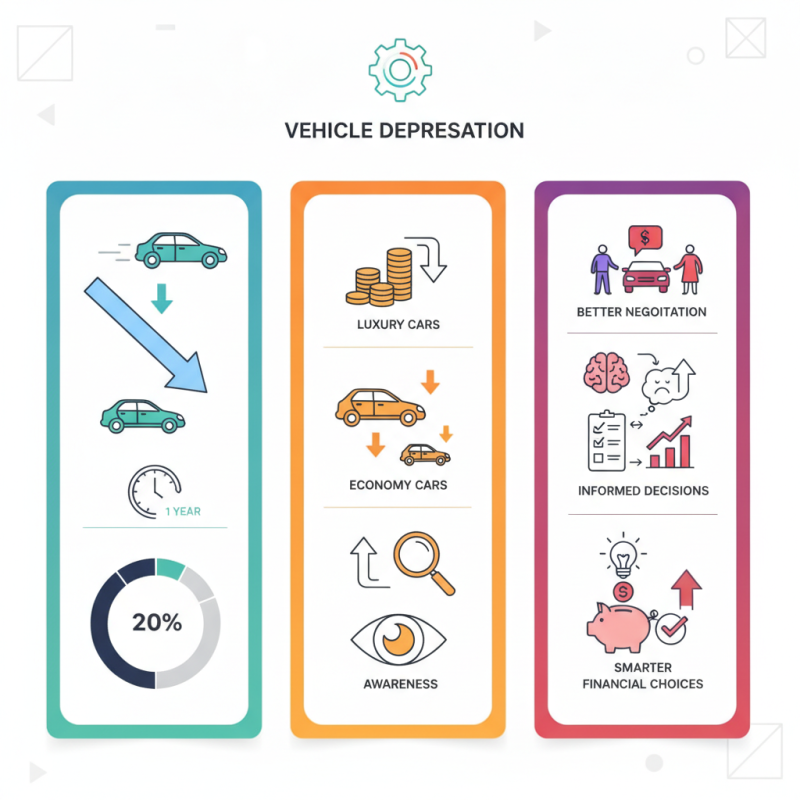
Understanding Vehicle Depreciation Rates is crucial for prospective car buyers. Vehicles are significant investments. Unfortunately, many buyers overlook how quickly a car can lose value. This rapid depreciation can affect resale value in the future. Most cars lose about 20% of their value in the first year alone. Understanding these rates helps buyers make informed decisions.
Buyers need to consider factors like vehicle brand, model, and market demand, which all influence depreciation. Luxury cars often depreciate faster than economy models. Buyers might find themselves surprised when resale values do not meet their expectations. This can lead to financial regret later. Some ignore these statistics and end up with significant losses.
Moreover, understanding depreciation can lead to better negotiation strategies. Buyers can use this knowledge to assess true market value. A thorough grasp of depreciation rates fosters confidence in the buying process. However, some buyers may still underestimate the impact of depreciation. This oversight can affect their overall purchasing experience. Awareness is the first step toward making smarter financial choices.
Vehicle depreciation is a crucial aspect for buyers to understand. Various factors influence how quickly a vehicle loses its value. These factors include make and model, mileage, age, and overall condition. For instance, a car with higher mileage typically depreciates faster. Additionally, vehicles in poor condition suffer a more significant value drop.
Tips: Consider researching historical depreciation rates of different makes and models. Some vehicles hold their value better than others. Look at specific features that may influence resale value. For example, favorable safety ratings and fuel efficiency can enhance a vehicle’s desirability over time.
The time of year also plays a role. Certain seasons may cause depreciation rates to fluctuate. Buying a vehicle at the end of the year, when dealerships are clearing inventory, may lead to better deals. Also, keep in mind how market demand impacts depreciation. A vehicle that is in high demand may not depreciate as sharply.
Tips: Check local market trends. Stay informed about upcoming model releases that could affect current vehicle prices. Understanding these nuances can help buyers make smarter decisions when purchasing a vehicle.
| Vehicle Type | Depreciation Rate (1st Year) | Depreciation Rate (3rd Year) | Depreciation Rate (5th Year) | Factors Influencing Depreciation |
|---|---|---|---|---|
| Sedan | 20% | 30% | 40% | Market demand, mileage, maintenance |
| SUV | 15% | 25% | 35% | Fuel efficiency, popularity, condition |
| Truck | 18% | 28% | 38% | Usage, brand reputation, repairs |
| Luxury Car | 25% | 35% | 50% | Brand, features, economic conditions |
| Electric Vehicle | 10% | 20% | 30% | Battery life, technology advancements, incentives |
: Key factors include make and model, mileage, age, and overall condition. Higher mileage cars often depreciate faster.
Vehicles with higher mileage typically lose value more quickly. This factor is crucial for future resale considerations.
Consider buying used cars, as they have already absorbed most depreciation. Research reliable models known to retain value.
The time of year can cause depreciation rates to fluctuate. Buying at year's end may lead to better deals.
Understanding depreciation helps buyers make smarter financial decisions. It affects the resale value significantly after purchase.
Yes, vehicles in poor condition suffer accelerated value loss. Regular maintenance helps preserve value over time.
Yes, luxury vehicles tend to depreciate faster due to their higher initial costs. Buyers should factor this into their decisions.
A vehicle in high demand may not depreciate as much. Staying informed about trends can guide buying choices effectively.
Yes, a car can lose around 20% of its value immediately after leaving the lot. This initial drop is vital to know.
Details like a clean interior and maintaining low mileage can positively impact resale value. Every little choice counts.
Understanding Vehicle Depreciation Rates is crucial for potential buyers, as it directly influences the financial implications of a vehicle purchase. Various factors, including market trends, mileage, and the vehicle's condition, play a significant role in determining how much a car will depreciate over time. By comprehending the different types of depreciation—such as straight-line and declining balance—buyers can better anticipate the resale value of their cars.
Moreover, being aware of how depreciation affects resale value can help buyers make informed decisions. Implementing strategies to minimize depreciation costs, such as selecting vehicles known to retain value better or maintaining the car well, can enhance long-term investment outcomes. Ultimately, a thorough understanding of vehicle depreciation rates empowers buyers to navigate the automotive market with confidence and make smarter financial choices.
